Jen's Musings | September 2026
Seeing Everything: What Happens When a Designer Travels
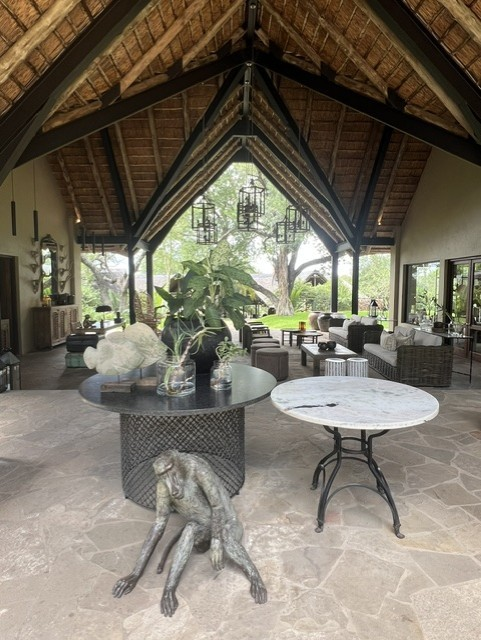
As an interior designer, there is something that happens when you spend enough years looking closely at how spaces are made — at the way a room is composed, the way materials meet, the way light arrives and leaves — and it is this: you cannot turn it off.
Not on weekends. Not on airplanes. Not on a hiking trail in the Columbia Gorge or a side street in Lisbon.
The designer's eye — and the inspiration it gathers — doesn't pack into your carry-on and wait at baggage claim. It is simply always open. And honestly, I would not have it any other way.
The Details That Others Walk Past
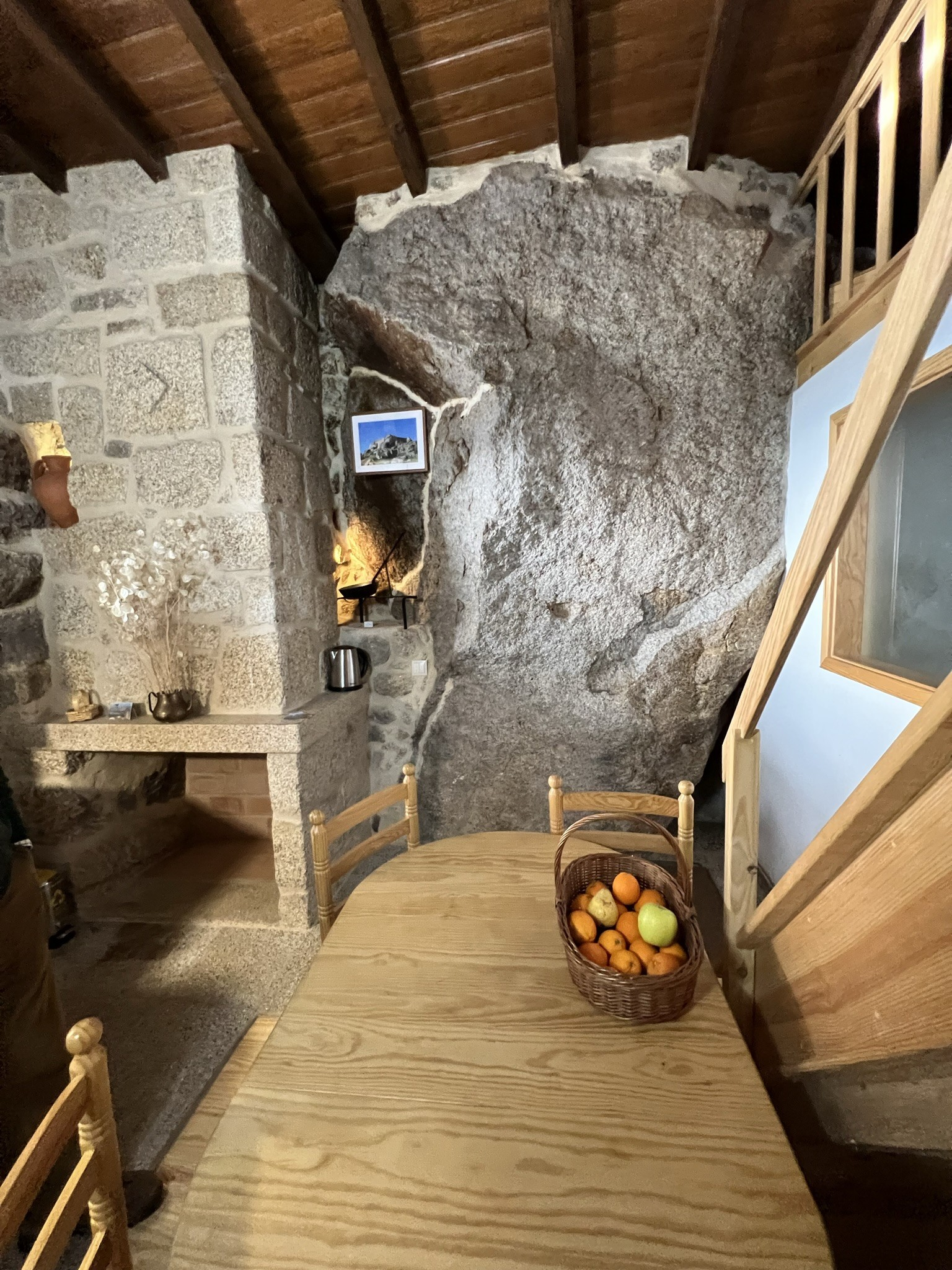
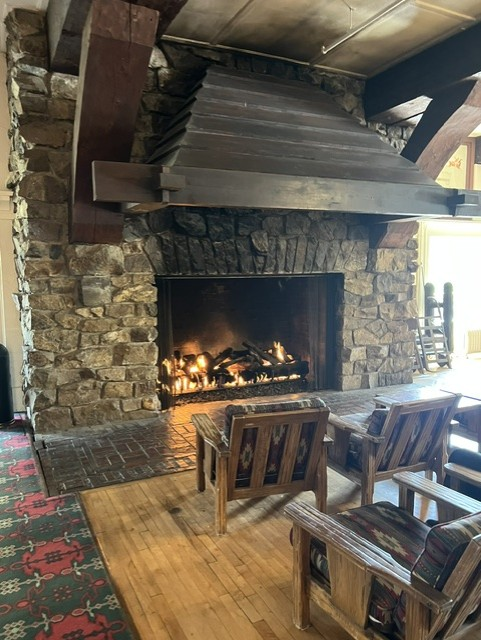
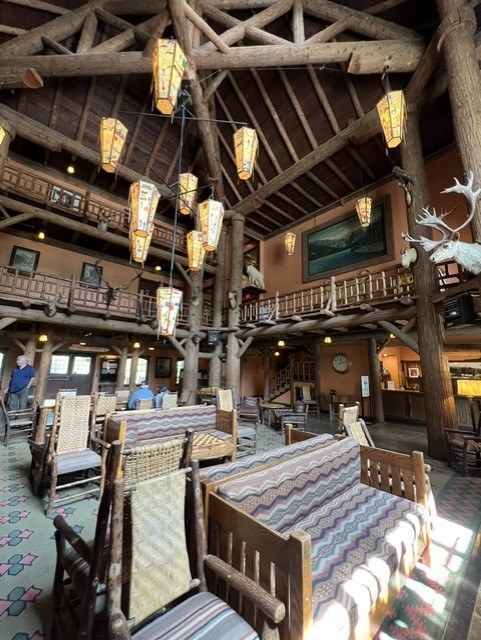
Every place has a design logic. It may be obvious — the way a centuries-old Portuguese village incorporates the boulders of its terrain directly into its architecture, walls laid against them and rooms shaped by them, so that what might have been an obstacle becomes the defining character of the place. Or the way a National Park lodge uses local timber to make a massive room feel grounded. Or it may be nearly invisible — the way a café has arranged its seating so that being there, alone, with a coffee, feels like belonging.
These are the details I find most instructive. Grand architectural statements are almost always composed of many smaller ones — it is the layering of decisions, each building on the last, that draws the eye and holds it. It is the ordinary decisions — made practical, made honest, made beautiful through repetition and time — that stay with me longest.
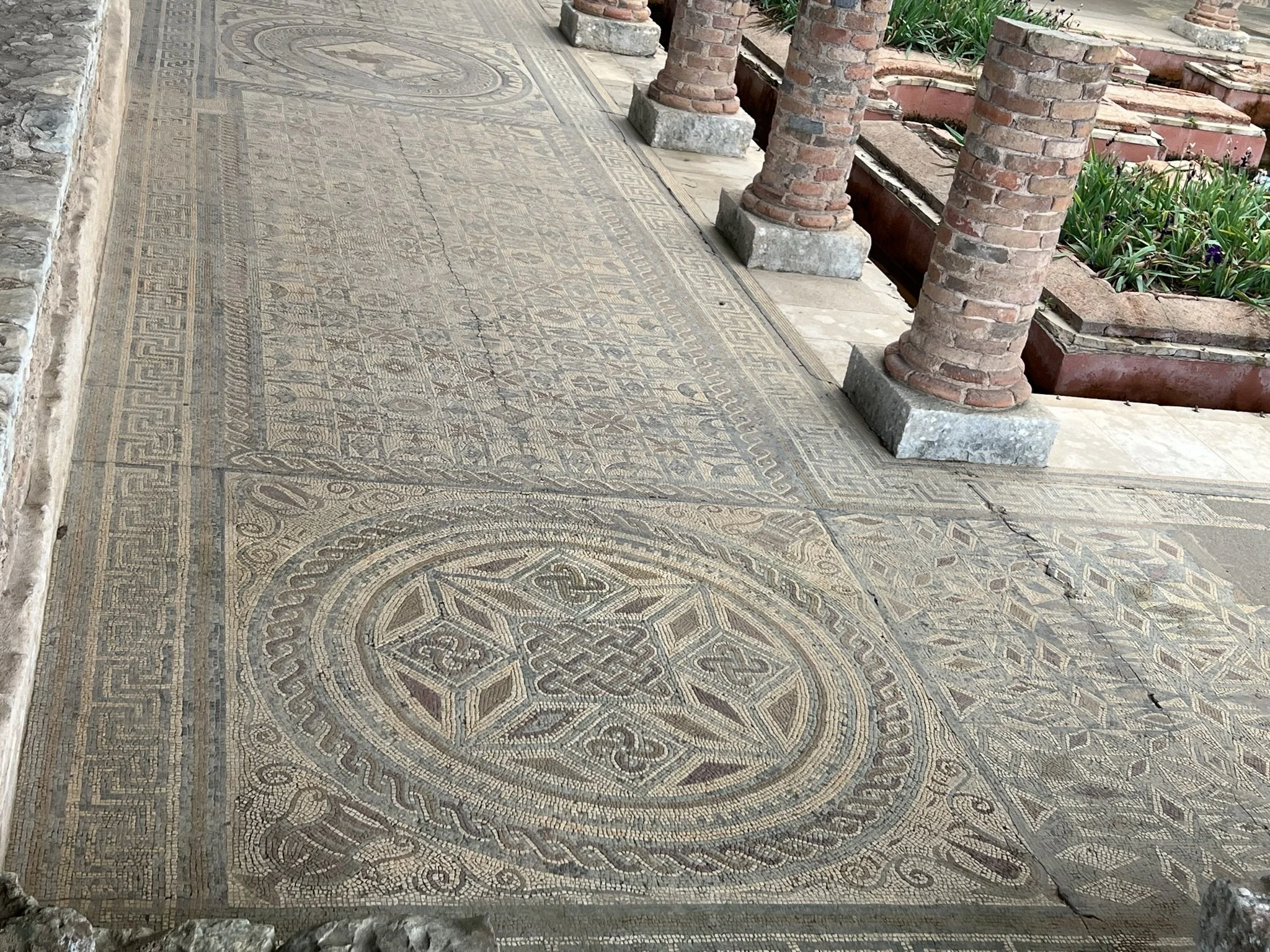
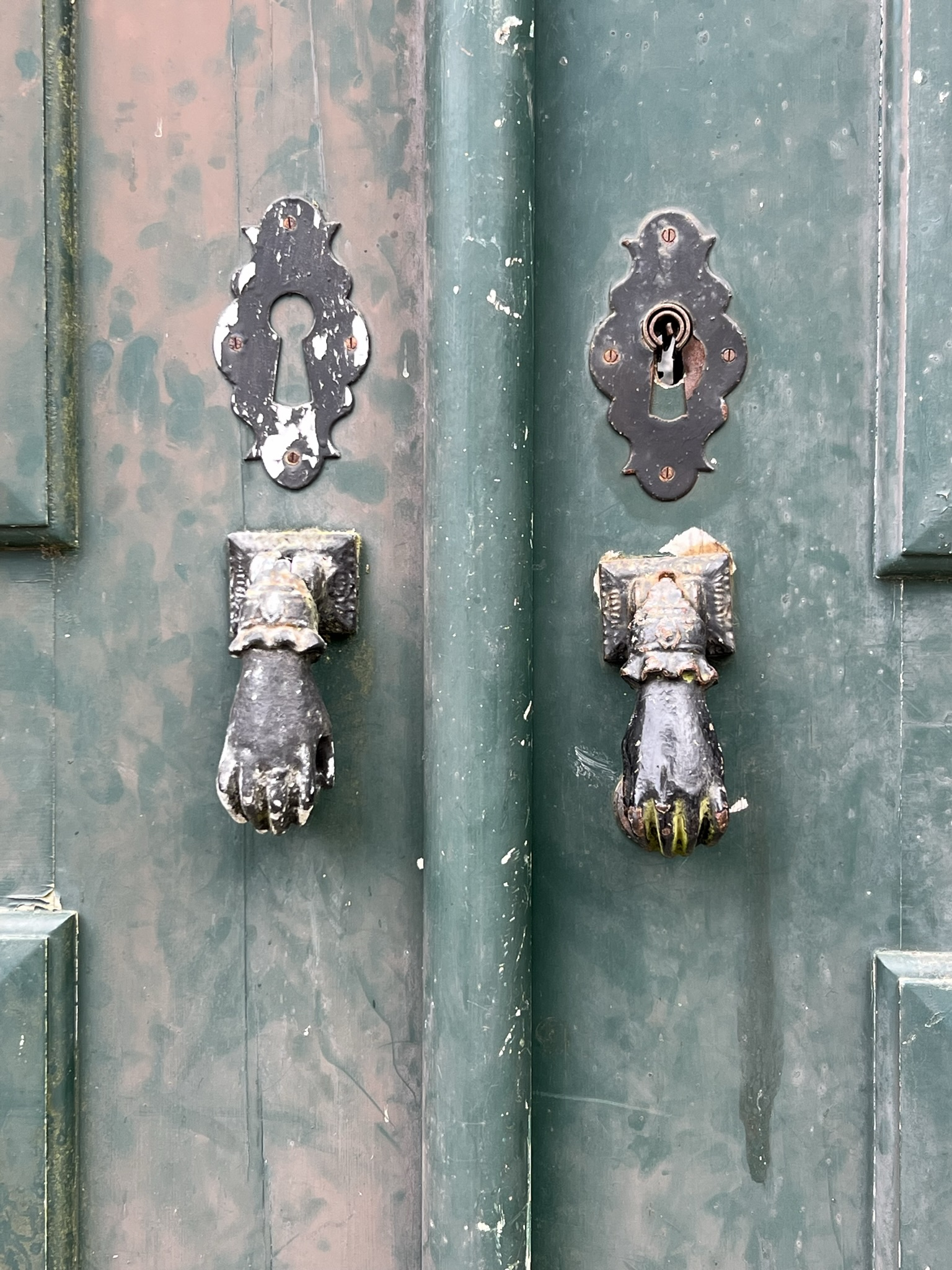
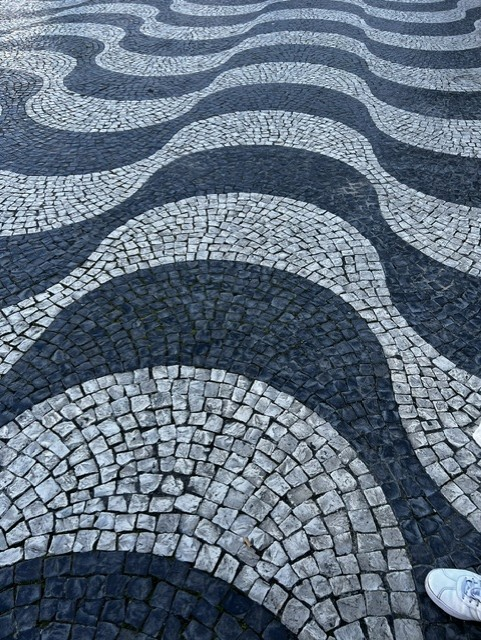
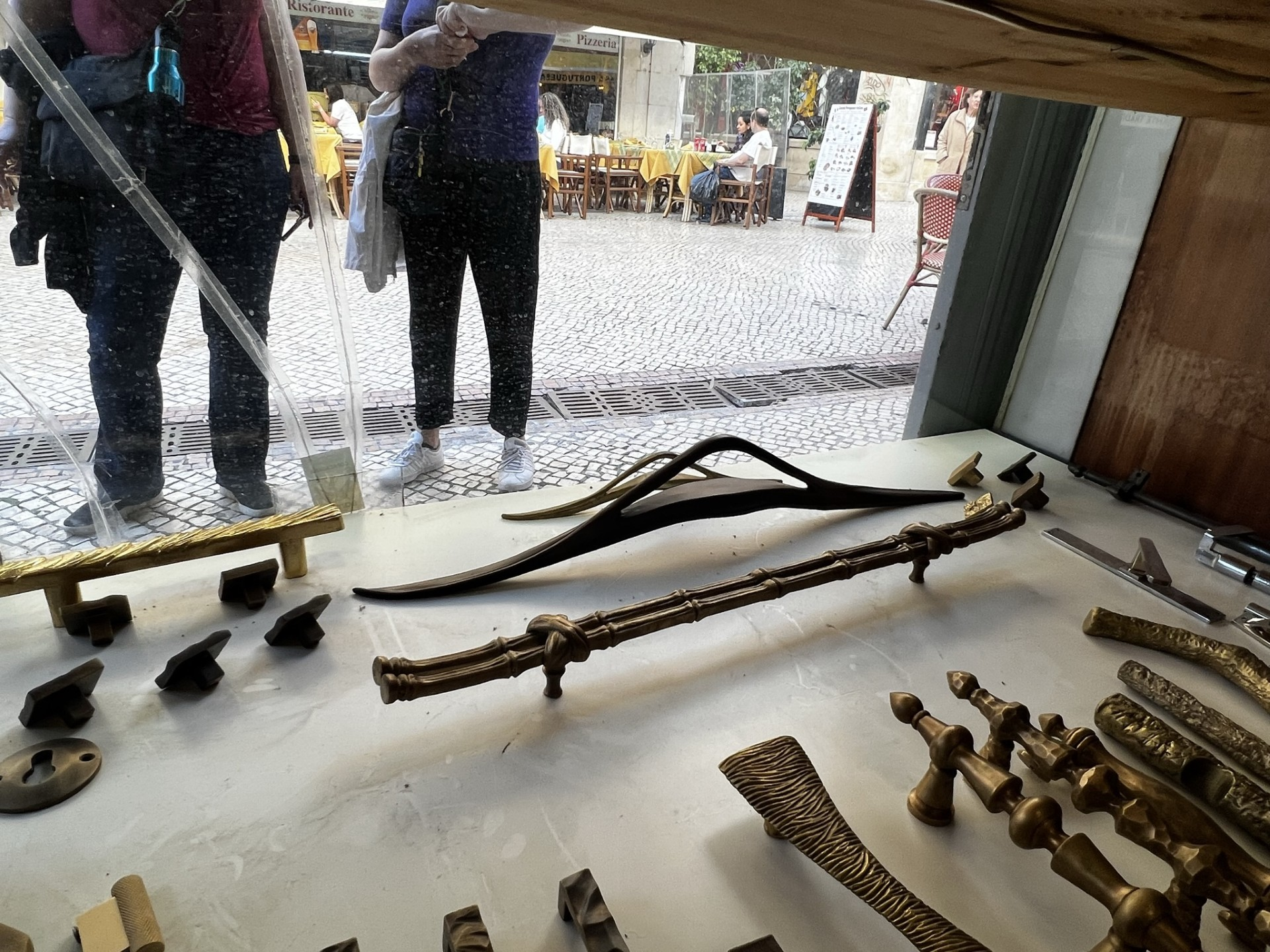
A tiled floor worn smooth by foot traffic tells you how a space has been lived in. The patina on a brass door pull tells you about durability and honest material choice. A courtyard that exists simply to slow you down tells you what the people who built it valued. These are design lessons no showroom visit can replicate.
“It is the ordinary decisions — made practical, made honest,
made beautiful through repetition and time — that stay with me longest.”
From Simple Details to Complex Architecture
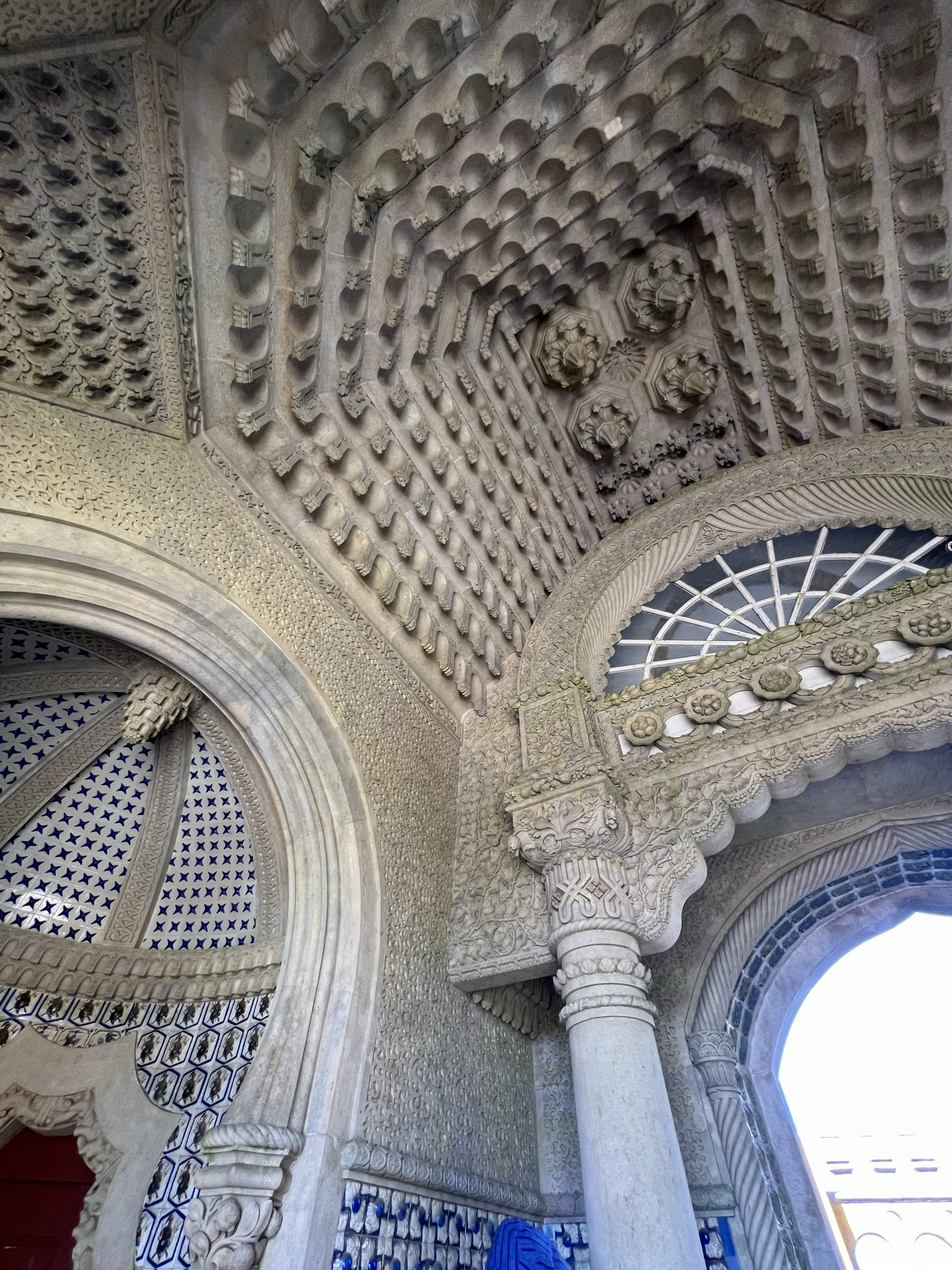
Travel sharpens observation across the full range — from the small to the vast. A hand-made ceramic bowl in a store window. The rhythm of a repeated window pattern across a historic façade. The proportional relationship between a massive carved door and the modest threshold beneath it. A National Park lodge where every structural element is load-bearing and every load-bearing element is beautiful because it was designed to be.
What connects these observations, across scales and styles and centuries, is intention. The sense that someone — or many someones, over many generations — thought carefully about how this element would work and how it would feel. That attention to intention is what I am looking for, and it is what I bring back to every project.
Nature, Community, Color — All of it is Source Material
A designer's eye doesn't distinguish between built environments and natural ones. The colors of the Oregon coast in late summer — bleached grasses, grey-green water, warm amber hills — are as instructive as any material board. The quality of filtered light in a Pacific Northwest forest is directly relevant to how I think about window placement and artificial lighting in a home that will exist in that same environment.
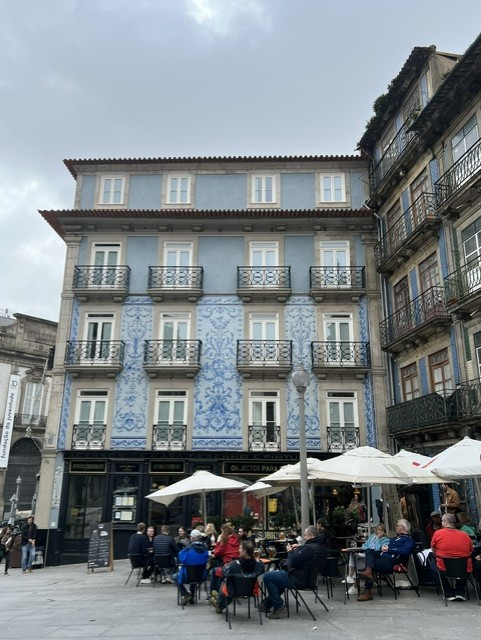
Community shapes it too. The scale of a street, the way people gather, the relationship between public and private space — these conditions determine how a home needs to function. A house on a river lot outside the city has a different relationship to view, to privacy, to indoor-outdoor flow than a home in a dense urban neighborhood. Travel across different regional cultures makes this legible in ways that no amount of studio research can.
What This Means for Your Home
Every reference accumulated over years of traveling — from the material honesty of rural Portuguese architecture, to the nature-driven design of South African lodge interiors, to the thoughtful restraint of our great National Park buildings — shows up, quietly, in the work we do at J. Myers + Associates for clients here in Oregon. Not as direct quotation. As understanding.
The goal is to bring the principles home. A sensitivity to scale. A comfort with restraint. A respect for materials that earn their place. A belief that good design is always, at its core, in service of the life being lived inside it.
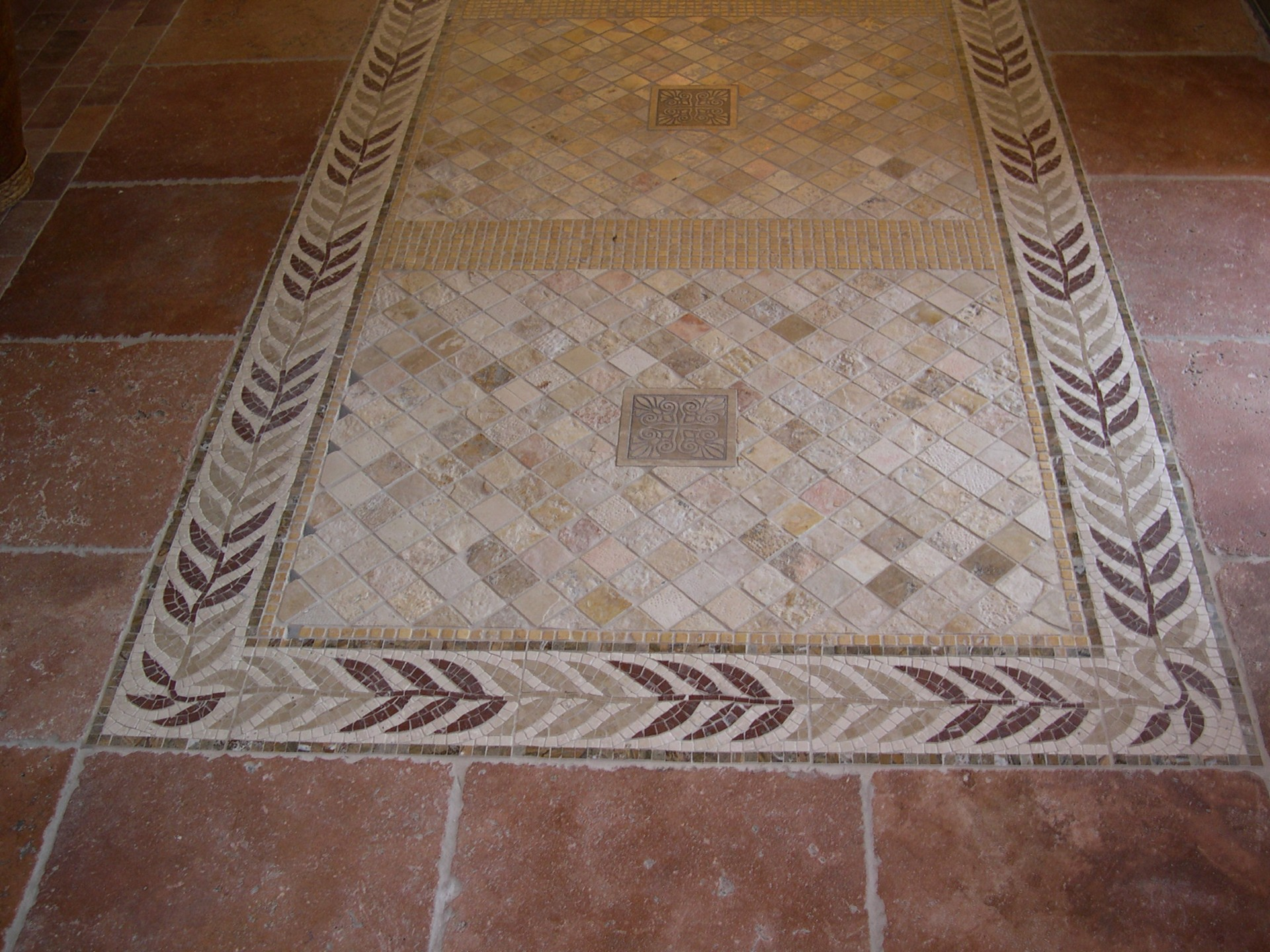
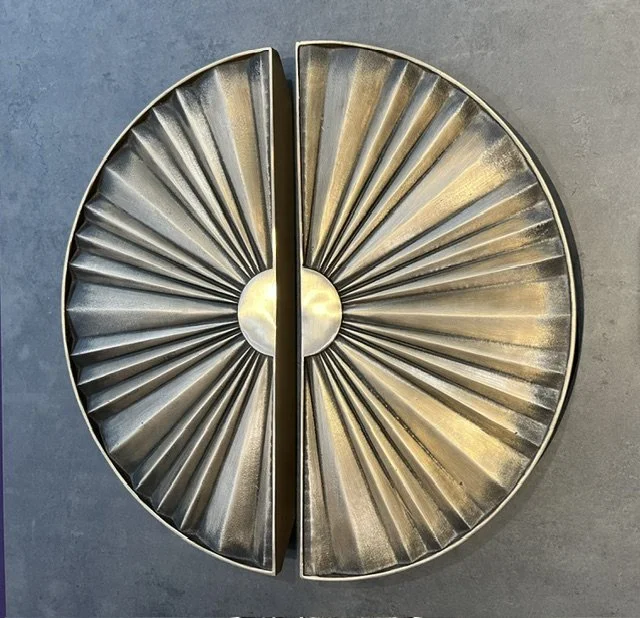
Our eye is always on alert for the details in our surroundings — a distinctive piece of hardware on a door, a tile pattern from decades or centuries ago that sparks an idea for a flooring detail today, a fabric or wallcovering that carries the memory of a particular place and brings it quietly into a room. That is part of what we do: observe, translate, and find the through-line between what we encounter in the world and what we create for the people we work with.
What We See
What it Becomes
That is what the designer's eye is always traveling toward — regardless of where it happens to be looking.
If you're thinking about what a project might look like — and when to bring a designer in — our post on when to hire an interior designer is a good place to start.
Jennifer Myers is the founder and principal designer of J. Myers + Associates, based in Lake Oswego, Oregon. If you're beginning to think about a new home, a renovation, or a furnishings refresh before the holidays, we'd love to start the conversation.